

Independence is one of the most commonly cited benefits of boarding school — but it’s also one of the most commonly misunderstood. Real independence isn’t students being left to manage on their own; it’s independence built deliberately, with the right support in place at every stage. School wellbeing and growing independence go together.
Why Wellbeing and Independence Go Together
A student can only build genuine independence from a place of security. Without strong pastoral care underpinning it, “independence” just becomes a nicer word for being unsupported. The schools that do this well treat wellbeing as the foundation that makes independence possible, not a separate benefit.
What Pastoral Care Looks Like Day to Day
Good pastoral care is mostly invisible when it’s working: boarding staff who know students individually, are available outside of lesson time, and notice early when something feels off — a change in mood, a student pulling away from friends — before it becomes a bigger issue.
Teaching Independence Gradually, Not Suddenly
Independence at boarding school should be a gradual curve, not a cliff edge. Younger or newer boarding students typically have more structure and closer oversight, with responsibility increasing steadily as they demonstrate readiness: managing their own schedule, resolving small conflicts, making their own decisions about free time.
The Role of Community in Wellbeing
Wellbeing isn’t only a staff responsibility. A strong boarding community, where students genuinely look out for each other, is one of the most powerful wellbeing supports a school can have. This is why the makeup and culture of the boarding community matter as much as any formal policy.
Signs a School Takes Wellbeing Seriously
- Clear, published safeguarding policies that families can read.
- Boarding staff who are genuinely present and known to students, not just listed on a staff page.
- A visible, gradual approach to building independence, rather than a one-size-fits-all rule for every age.
- Open communication with parents about their child’s wellbeing, as well as academic progress.
School Wellbeing at HIF
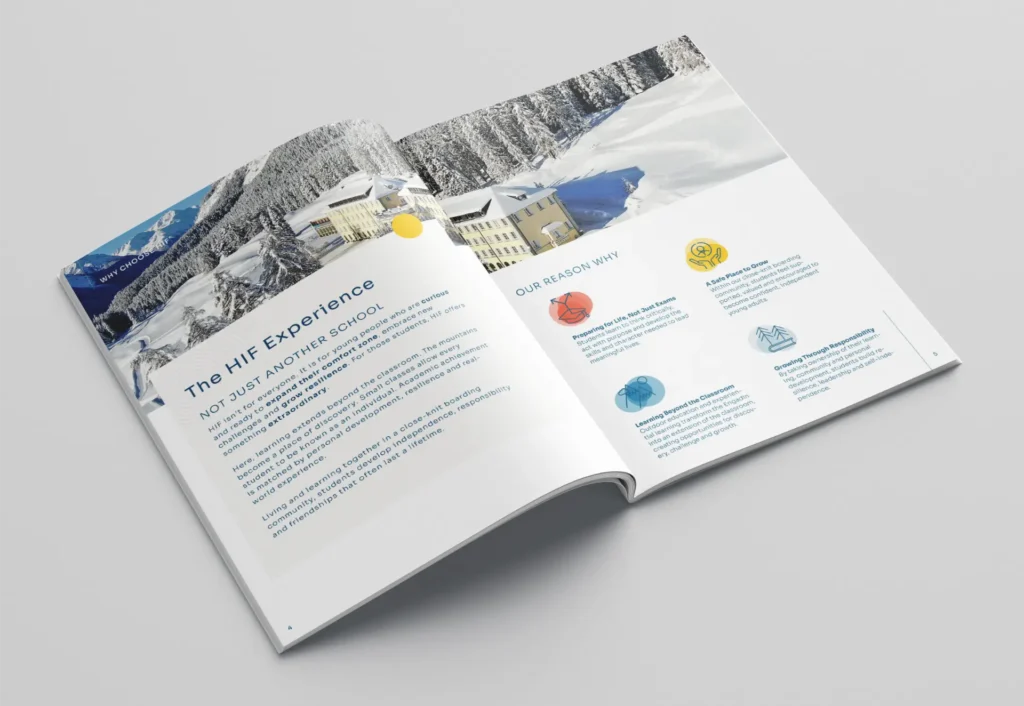
At Hochalpines Institut Ftan, wellbeing is a defined commitment, underpinned by clear safeguarding and policies, with boarding staff supporting students’ wellbeing throughout the day, not only during lesson time. Independence is built gradually within that structure, so students grow in confidence without ever feeling unsupported. If you’d like to understand how this works in practice, our Admissions team can walk you through it.
Key Learnings
- Genuine independence at boarding school is built on a foundation of strong wellbeing support, and not achieved by removing support.
- Effective pastoral care means boarding staff who know students individually and notice early signs if something is wrong.
- Independence should be built gradually, with responsibility increasing as students demonstrate readiness, not given all at once.
- A strong, caring boarding community is itself a major wellbeing support, alongside formal staff structures.
- Signs a school takes wellbeing seriously include published safeguarding policies, present boarding staff, and open communication with parents.
- HIF treats wellbeing as a defined commitment, underpinned by clear safeguarding and policies, with independence built gradually within that structure.